1️⃣ Introduction: Why CBD Is Still Trending in 2025
CBD oil has become one of the most talked-about natural wellness products in the world—and its popularity hasn’t slowed down in 2025. Social media influencers, wellness coaches, everyday consumers, and even some healthcare providers continue discussing CBD as a possible solution for stress, chronic pain, poor sleep, and inflammation.
But popularity alone doesn’t prove effectiveness. What people really want to know is: Does CBD oil actually work? And if so, how much of the hype is backed by science rather than marketing?
The truth is somewhere in the middle. CBD isn’t a miracle cure, but growing research shows that it may offer real benefits for certain people—especially when used responsibly and purchased from trustworthy brands. This article breaks everything down in a clear, human-friendly way so beginners can understand CBD without feeling overwhelmed.
2️⃣ What CBD Oil Actually Is (Simple Explanation)
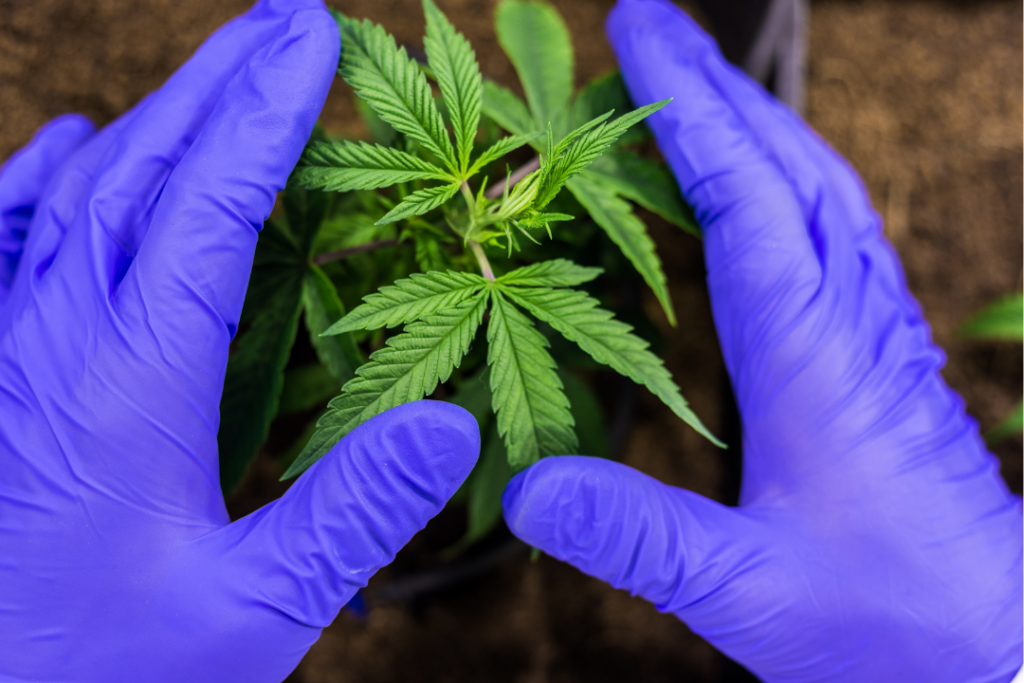
CBD (cannabidiol) is a natural compound found in the hemp plant. Unlike THC—the compound known for causing a “high”—CBD is non-intoxicating. It doesn’t alter your thinking or perception, which is one reason so many beginners feel comfortable trying it.
CBD oil is made by extracting CBD from hemp and blending it with a carrier oil such as:
- MCT oil
- Hemp seed oil
- Olive oil
This makes it easier for the body to absorb. The final product can be taken under the tongue, mixed into food, or used in other forms like gummies and capsules.
In simple terms, CBD oil is a plant-based supplement designed to support your body’s natural systems.
See more: The Role of Medical Cannabis in Treating Autoimmune Disorders
3️⃣ How CBD Works in the Body
To understand CBD’s effects, you first need to know about the endocannabinoid system (ECS)—a network in the body that helps regulate:
- Pain
- Mood
- Sleep
- Inflammation
- Stress response
- Immune function
Your body naturally produces chemicals called endocannabinoids that bind to ECS receptors. CBD doesn’t bind directly to these receptors; instead, it influences how your body uses its own endocannabinoids.
Think of the ECS as a “balancing system” and CBD as a gentle helper that encourages the body to regulate itself more effectively. This is why CBD may support sleep, reduce stress, and help manage discomfort.
4️⃣ Science-Supported Benefits of CBD Oil
CBD oil is not magic—but some benefits are supported by real, modern research. Here’s what studies and real-world reports suggest.
✔ Pain Relief
Chronic pain is one of the most common reasons people try CBD. Research suggests CBD may help by reducing inflammation and interacting with pain-signaling pathways.
Some users report relief from:
- Arthritis pain
- Back pain
- Nerve pain
- Muscle soreness
- Post-injury inflammation
For example, one arthritis patient described CBD as “a way to ease the pain enough to move comfortably without harsh medications.”
✔ Stress and Anxiety Reduction
CBD’s calming effects are among its most well-known benefits. Studies show that CBD interacts with serotonin receptors, which may contribute to feelings of relaxation and emotional balance.
People often use CBD to manage:
- Daily stress
- Mild anxiety
- Overthinking
- Tension before sleep
It doesn’t work instantly like prescription medications, but many report noticeable improvements with consistent use.
✔ Better Sleep
CBD isn’t a sedative, yet it may help people fall asleep more easily by reducing stress, calming the nervous system, and easing discomfort that interrupts sleep.
Many users say:
- They fall asleep faster
- They stay asleep longer
- They wake up less during the night
✔ Reduced Inflammation
Inflammation is at the root of many health issues, from joint pain to autoimmune flare-ups. CBD has shown potential anti-inflammatory effects, which may be beneficial for people dealing with chronic inflammation or post-workout soreness.
✔ Neurological Support
Some research suggests CBD may support neurological health. It has been studied for conditions like epilepsy and nerve-related disorders. While more research is needed, early findings show promise for brain health and cognitive support.
5️⃣ Risks, Side Effects, and Safety Considerations
Even natural products can have risks, and CBD is no exception. Fortunately, most CBD side effects are mild and temporary.
Possible side effects include:
- Dry mouth
- Drowsiness
- Digestive issues
- Light-headedness
- Changes in appetite
Medication Interactions
This is where caution is important.
CBD may interact with medications like:
- Blood thinners
- Antidepressants
- Anti-seizure medications
- Pain medications
If you’re taking prescriptions, it’s wise to speak to a doctor before trying CBD.
Real-World Example
Some beginners take too much CBD on their first try and feel overly relaxed or sleepy. Others may feel nothing until they use it consistently for a few days. This doesn’t mean the product isn’t working—CBD simply affects everyone differently.
6️⃣ How People Use CBD Oil in 2025
CBD products have expanded significantly over the past few years. In 2025, the most common forms include:
✔ CBD Oils (Tinctures)
Fast-acting and easy to dose. Users place drops under the tongue.
✔ CBD Gummies
Pre-measured, tasty, and beginner-friendly.
✔ CBD Capsules
Great for people who want consistent, predictable dosing.
✔ CBD Topicals
Creams, balms, and lotions for targeted relief—especially joint or muscle discomfort.
✔ CBD Skincare
Products designed to soothe irritation, redness, dryness, and inflammation.
With so many options, beginners should start with low-dose oils or gummies to find what works best for their body.
7️⃣ Choosing High-Quality CBD Oil
Not all CBD oils are created equal. Quality makes a huge difference in safety and effectiveness.
✔ Check Third-Party Lab Reports
A trustworthy CBD company will show independent lab results confirming:
- CBD potency
- THC levels
- Purity
- Absence of contaminants
Avoid brands that hide their lab reports.
✔ Understand the Types of CBD
- Full-spectrum: CBD + minor cannabinoids + terpenes + trace THC
- Broad-spectrum: Same as full-spectrum but THC-free
- Isolate: Pure CBD with no extra plant compounds
Beginners often prefer broad-spectrum or full-spectrum for more balanced effects.
✔ Potency Matters
Start with:
- 300–600 mg bottles for beginners
- Increase gradually only if needed
✔ Look for Clean Ingredients
Avoid products loaded with artificial flavors, preservatives, or questionable additives.
✔ Choose Trusted Brands
User reviews, transparent testing, and clear labeling are all signs of a quality product.
8️⃣ General Legal Considerations in 2025
CBD laws vary worldwide, but most regions allow hemp-derived CBD as long as THC levels remain below legal limits. However:
- Some places require medical approval
- Others restrict CBD in food or beverages
- Traveling with CBD can be restricted in certain countries
Always check local regulations before buying or traveling with CBD.
9️⃣ When CBD May NOT Be Suitable
CBD isn’t appropriate for everyone. It may not be suitable for:
- Pregnant or breastfeeding individuals
- People taking medications that interact with CBD
- Individuals with liver disorders
- Those with allergies to hemp or carrier oils
- Anyone expecting instant, dramatic results
- People under 18 without medical supervision
If in doubt, consult a healthcare professional before starting CBD.
🔟 Conclusion: Is CBD Really Effective?
CBD oil can be effective—but not for every person or every condition. Science shows promising benefits for pain, stress, sleep, inflammation, and neurological support, but results vary depending on dosage, product quality, and individual body chemistry.
For beginners who choose a reputable product and use CBD consistently, many report better sleep, reduced stress, gentler pain management, and improved overall balance. At the same time, it’s important to understand CBD’s limitations, potential side effects, and the need for medical advice when taking other medications.CBD is best approached as a supportive wellness tool—not a miracle cure. When used responsibly in 2025, it can be a safe, effective, and natural option for many people seeking relief.
FAQS
No. CBD affects each person differently depending on body chemistry, metabolism, dosage, and product quality. Some people feel immediate benefits, while others need several days or weeks of consistent use. Factors like stress levels, diet, and overall health can also influence how well CBD works for you.
Research suggests CBD may help reduce inflammation and influence pain-signaling pathways, making it useful for some chronic pain conditions. Many users report relief from arthritis, nerve pain, and muscle soreness. However, CBD is not a cure and may work best when combined with lifestyle changes or medical guidance.
High-quality CBD products provide third-party lab reports showing purity, potency, and safety testing. Look for clear labeling, clean ingredients, and transparent manufacturing practices. Avoid products with vague claims, no lab results, or extremely low prices, as these often indicate poor quality or inaccurate CBD levels.
CBD is generally safe, but it can interact with certain medications, especially those processed by the liver. High doses may cause drowsiness, digestive discomfort, or light-headedness. Pregnant or breastfeeding individuals should avoid CBD. Always consult a healthcare provider if you take prescriptions or have underlying health concerns.
Beginners often start noticing effects within a few days, although some may need one to two weeks of consistent use. CBD builds up gradually in the body, so patience is important. Start with a low dose and increase slowly until you find your ideal level. Tracking your progress can also help measure improvements.