Medical marijuana—also known as medical cannabis—refers to cannabis products prescribed or recommended by a qualified healthcare professional to help manage certain health conditions or symptoms. Unlike recreational cannabis, medical marijuana is used under medical guidance, often with controlled dosages and specific formulations. This beginner-friendly guide explains how medical marijuana is used, its potential benefits, and the basic legal considerations—clearly, neutrally, and without hype.
What Is Medical Marijuana?
Medical marijuana is cannabis used for therapeutic purposes rather than personal enjoyment. It may be recommended to help manage symptoms such as pain, nausea, or muscle stiffness, depending on individual needs and local regulations. Medical cannabis products are typically selected for their cannabinoid content—primarily CBD and THC—and are used under medical supervision.
Medical Marijuana vs Recreational Cannabis
While both come from the cannabis plant, their purpose and oversight differ:
- Purpose: Medical marijuana focuses on symptom management; recreational cannabis is used for personal enjoyment.
- Regulation: Medical use usually requires authorization and follows stricter rules.
- Dosage & Supervision: Medical cannabis emphasizes controlled dosing and clinical guidance.
Common Uses of Medical Marijuana
Medical marijuana is commonly discussed as an option for managing symptoms associated with certain conditions. Its use varies by individual and by local medical guidelines.
Medical Marijuana for Chronic Pain
Some patients explore medical cannabis to help manage persistent pain when other options are limited or ineffective, under professional guidance.
Medical Marijuana for Anxiety and Mental Health
In certain cases, carefully selected cannabis products may be considered to support symptom relief, with close monitoring.
Medical Marijuana for Neurological Conditions
Medical cannabis is sometimes discussed in relation to neurological symptoms, such as muscle stiffness or spasms, depending on local approvals and evidence.
Note: Effects vary, and medical guidance is essential.
Potential Benefits of Medical Marijuana
The benefits of medical marijuana are often described in terms of symptom relief and overall comfort rather than cures.
- Symptom management: May help reduce discomfort or distress for some patients.
- Quality of life: Some individuals report improved daily functioning.
- Patient-reported outcomes: Experiences vary and depend on product type, dosage, and individual response.
CBD vs THC in Medical Marijuana
- CBD (Cannabidiol): Non-intoxicating; often associated with calming or anti-inflammatory effects.
- THC (Tetrahydrocannabinol): Intoxicating; may help with pain or nausea but can cause psychoactive effects.
Medical products may contain one or both, depending on treatment goals.
Is Medical Marijuana Safe?
Medical marijuana is generally considered when used responsibly and under medical supervision. However, it may cause side effects such as drowsiness, dizziness, or changes in appetite. Interactions with other medications are possible, which is why professional guidance is important.
Legal Basics of Medical Marijuana
Legal medical marijuana frameworks differ widely. In many regions, access requires approval from a licensed healthcare provider and compliance with local rules. Laws vary due to differences in public policy, healthcare systems, and regulatory approaches.
Who Can Access Medical Marijuana Legally?
Access typically depends on qualifying conditions, medical approval, age requirements, and local regulations.
Why Medical Marijuana Laws Differ by Region
Cannabis laws reflect local health policies, cultural views, and regulatory priorities, leading to variation worldwide.
How Medical Marijuana Is Consumed
Medical marijuana comes in several forms to suit different needs:
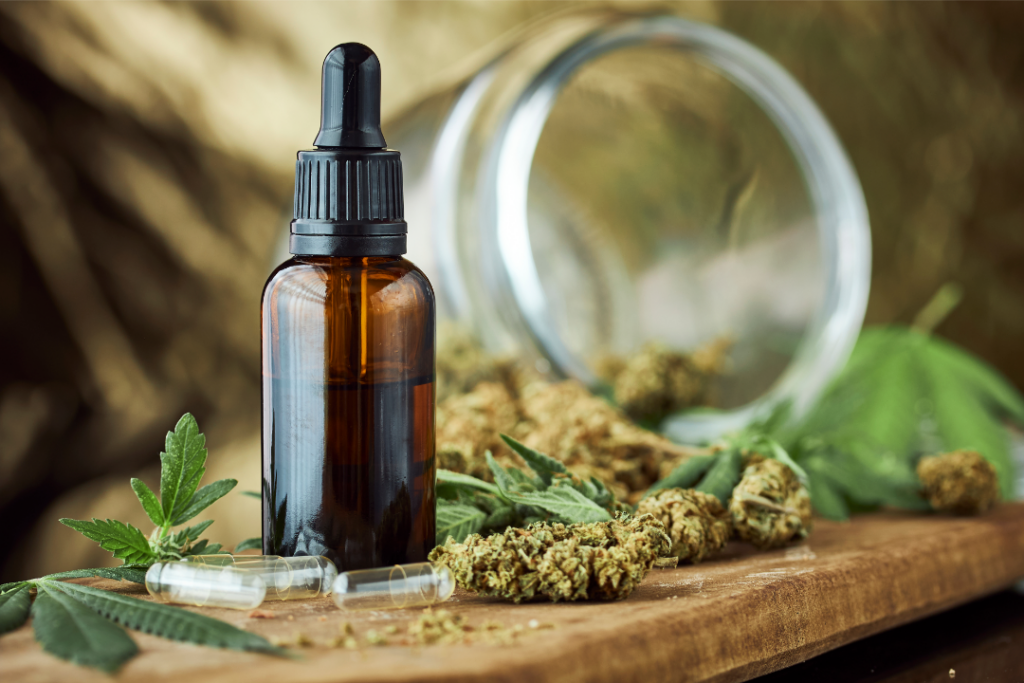
- Oils and tinctures: Liquid extracts taken orally.
- Capsules: Pre-measured doses for consistent use.
- Edibles: Food products infused with cannabis.
- Flower: Dried cannabis used in approved ways, depending on local rules.
Frequently Asked Questions About Medical Marijuana
Is medical marijuana addictive?
Medical marijuana has a lower risk of dependence when used under medical supervision, but misuse can increase risks. Professional guidance helps reduce potential issues.
Can medical marijuana make you feel “high”?
Products containing THC may cause psychoactive effects. CBD-dominant products generally do not produce a “high.”
Do you need a prescription for medical marijuana?
In most regions, yes. Access usually requires authorization from a qualified healthcare professional.
Is CBD the same as medical marijuana?
No. CBD is one compound found in cannabis. Medical marijuana may contain CBD, THC, or both.
Can anyone use medical marijuana?
Not everyone. Eligibility depends on medical needs, age, and local legal requirements.