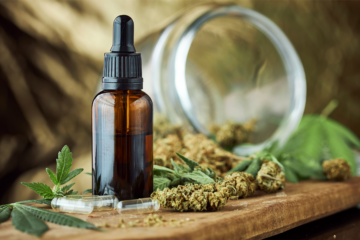
Addiction recovery is a journey that requires individuals to confront both physical and emotional hurdles, often involving chronic pain, stress, and cravings. While traditional treatments like therapy and medications have been at the core of recovery, there is an increasing interest in alternative therapies, such as medical cannabis. This growing interest has extended beyond addiction treatment to include the management of various chronic conditions, including autoimmune disorders.
Autoimmune disorders, which occur when the body’s immune system attacks its own tissues, often result in debilitating symptoms like inflammation, pain, and fatigue. As the demand for alternative treatments rises, medical cannabis is being explored for its potential to help alleviate these symptoms. In this article, we’ll explore how medical cannabis can play a role in treating autoimmune disorders, and how it can also be part of a broader treatment plan for individuals struggling with addiction.
See more: North Carolina’s Delta-8 Industry: A Look at Local Producers and Brands
1. Introduction
Addiction recovery presents numerous challenges, particularly for individuals who suffer from chronic pain or mental health issues related to substance use. These challenges can make the journey to recovery even more complex. In recent years, there has been a growing interest in using alternative treatments, such as medical cannabis, to support addiction recovery.
Medical cannabis is also being considered for its potential benefits in managing autoimmune disorders. These conditions, which include rheumatoid arthritis, lupus, multiple sclerosis, and Crohn’s disease, are often marked by inflammation and pain that traditional treatments may struggle to alleviate. As more people explore medical cannabis for relief from these chronic symptoms, it is becoming an increasingly important tool in the broader healthcare conversation.
2. What is Medical Cannabis?
Medical cannabis refers to the use of the cannabis plant or its extracts for medicinal purposes. The primary active compounds found in cannabis are CBD (cannabidiol) and THC (tetrahydrocannabinol).
- CBD is non-psychoactive, meaning it does not produce a “high.” It has gained attention for its potential therapeutic properties, including reducing inflammation, alleviating pain, and promoting relaxation.
- THC, in contrast, is the psychoactive compound responsible for the euphoric “high” associated with cannabis. It has shown promise in pain management, nausea reduction, and stimulating appetite, which can be particularly useful for autoimmune patients experiencing these symptoms.
Medical cannabis interacts with the body’s endocannabinoid system (ECS), a complex network of receptors and neurotransmitters that regulate various physiological processes, such as mood, pain perception, and immune function. The ECS helps the body maintain balance (homeostasis), and by interacting with these receptors, cannabis may aid in reducing inflammation, modulating the immune response, and alleviating chronic pain.
3. Addiction and the Brain
Addiction is a condition that alters the brain’s chemistry and reward system. Substance use disorders (SUDs) lead to changes in the brain’s neurotransmitters, particularly dopamine, which plays a significant role in pleasure and reward. Addiction often hijacks the brain’s ability to regulate reward pathways, leading to cravings, dependency, and withdrawal symptoms.
Medical cannabis has the potential to influence these brain pathways. THC can bind to cannabinoid receptors in the brain, affecting neurotransmitter release, which may help reduce cravings and alleviate withdrawal symptoms. CBD, on the other hand, has been found to help modulate stress responses, improve mood, and reduce anxiety—common challenges in addiction recovery.
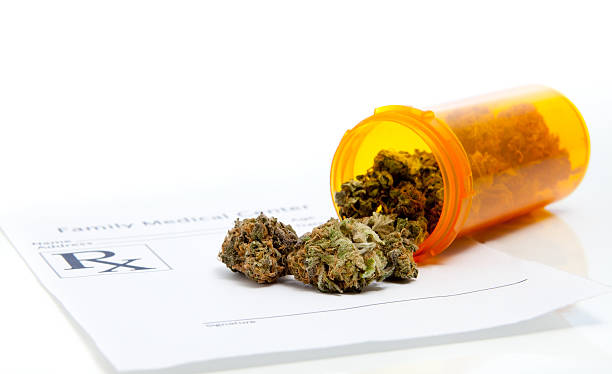
While the focus of this article is on autoimmune disorders, understanding how cannabis impacts the brain’s reward pathways also reveals why it could be effective in treating addiction. Its ability to reduce stress and inflammation could potentially help people struggling with both autoimmune conditions and addiction simultaneously.
4. How Medical Cannabis Might Help in Autoimmune Disorders
Autoimmune disorders are characterized by an overactive immune system that attacks healthy tissue, causing chronic inflammation, pain, and organ damage. Traditional treatments often focus on suppressing the immune system with medications like corticosteroids or immunosuppressive drugs, but these treatments can have significant side effects, including increased vulnerability to infections and other health complications.
Medical cannabis may offer a promising alternative or adjunct treatment for autoimmune disorders. Research suggests that cannabis, particularly CBD, has anti-inflammatory properties that can help reduce the inflammation associated with conditions like rheumatoid arthritis, lupus, and multiple sclerosis.
- Rheumatoid Arthritis: Studies have shown that CBD can reduce inflammation and pain, making it a potential therapeutic option for managing rheumatoid arthritis symptoms.
- Multiple Sclerosis (MS): Cannabis has been explored for its ability to reduce muscle spasticity, pain, and improve mobility in people with MS. THC, in particular, has been found to help with spasticity and pain management in MS patients.
- Inflammatory Bowel Disease (IBD): Conditions like Crohn’s disease and ulcerative colitis involve chronic inflammation in the digestive tract. Research suggests that CBD may help reduce intestinal inflammation and improve gut health, potentially offering relief from symptoms of IBD.
By modulating the immune system and reducing inflammation, medical cannabis may help people with autoimmune disorders better manage their symptoms, providing an alternative to traditional treatments with fewer side effects.
5. Benefits Beyond Autoimmune Treatment
While medical cannabis is increasingly recognized for its potential benefits in treating autoimmune disorders, it also offers several other therapeutic effects that can support overall well-being, particularly in those undergoing addiction recovery:
- Pain Relief: Cannabis, particularly CBD, has been shown to be effective in managing chronic pain without the addictive risks of opioid painkillers. This is particularly relevant for people in recovery who may suffer from pain related to autoimmune conditions.
- Mood Stabilization: Both CBD and THC can help regulate mood and reduce anxiety, depression, and stress, which are common issues for individuals dealing with chronic illness or addiction recovery.
- Improved Sleep: Cannabis has been shown to help with sleep disorders by promoting relaxation and reducing pain and anxiety, which can be particularly beneficial for people recovering from addiction and managing autoimmune symptoms.
6. Challenges and Risks
While the potential benefits of medical cannabis are promising, it is not without risks and challenges:
- Psychoactive Effects of THC: THC can cause psychoactive effects, such as euphoria, dizziness, or anxiety, which may not be desirable for all patients, especially those in recovery from addiction. Monitoring the dosage and form of cannabis used is crucial.
- Lack of Standardization: The dosing of cannabis for treating autoimmune disorders is still not fully standardized, and the right dosage may vary widely from person to person. More research is needed to establish clear guidelines.
- Legal and Regulatory Hurdles: Medical cannabis is not legal everywhere, and access can be restricted based on geography. This legal uncertainty creates challenges for patients seeking consistent treatment.
7. What the Experts Say
Experts in autoimmune disorders and addiction recovery are increasingly recognizing the potential of medical cannabis as a therapeutic tool. Research studies have demonstrated its ability to manage inflammation, reduce pain, and improve quality of life for people with autoimmune conditions. However, experts agree that more studies are needed to fully understand the long-term effects of cannabis and its optimal usage.
In addiction treatment, specialists suggest that medical cannabis could play a role in reducing cravings and alleviating withdrawal symptoms, but caution is advised regarding its use, especially with THC, due to the risk of developing a new dependency.
8. Legal and Accessibility Issues
The legal status of medical cannabis remains a significant barrier to its widespread use, particularly for autoimmune patients. While some regions have legalized medical cannabis, many areas still restrict access or require special prescriptions. Additionally, the quality and consistency of cannabis products can vary widely, which makes it important for healthcare providers to ensure that patients are receiving safe, regulated products.
Standardized regulations are needed to make medical cannabis more accessible to those who could benefit from it, including individuals with autoimmune disorders and those in addiction recovery.
9. Conclusion
Medical cannabis offers promising benefits for those suffering from autoimmune disorders, providing relief from inflammation, chronic pain, and other debilitating symptoms. Its potential as part of an addiction recovery treatment plan also cannot be overlooked, as it may help manage cravings, reduce anxiety, and alleviate withdrawal symptoms. However, like any treatment, cannabis should be used under professional guidance, with attention to dosage and potential risks, particularly for individuals recovering from addiction.
As research into medical cannabis continues to evolve, it is essential that patients and healthcare providers remain informed about its benefits and limitations. With proper regulation and more scientific evidence, medical cannabis could become an integral part of both autoimmune disorder management and addiction recovery.